
Smart Protection for Aging Loved Ones
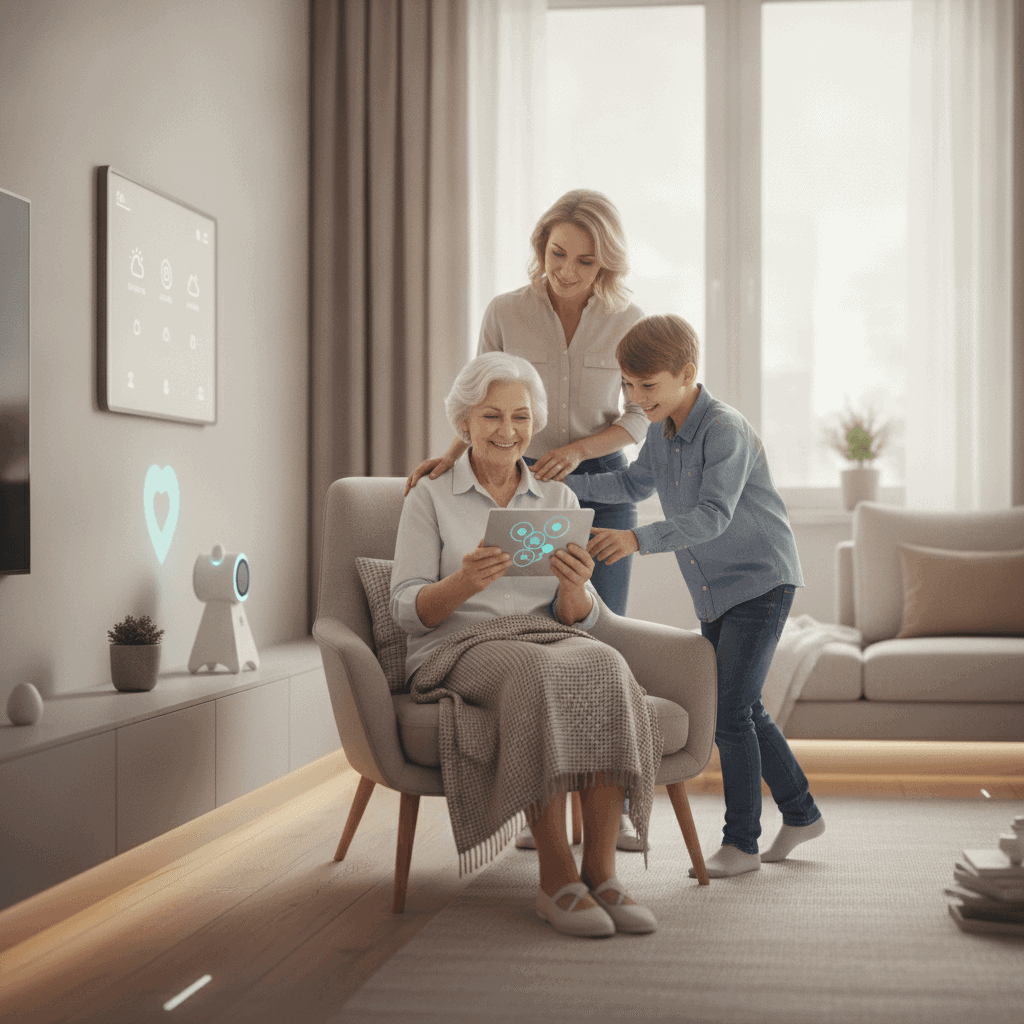
Ensuring the well-being and safety of our aging loved ones is a concern many of us share deeply. I often think about the best ways to provide peace of mind for both seniors and their families. Life changes as we grow older and daily routines can sometimes present unexpected challenges. We all want our seniors to maintain independence for as long as possible.
This means finding ways to support them without taking away their sense of autonomy. It is about striking a careful balance between freedom and necessary safeguards. My goal is to explore practical strategies for smart protection for aging loved ones. I want to share insights that can make a real difference.
We will look at how technology can assist and how creating a safe home environment is crucial. We will also consider the important role of clear communication and planning. These elements combined form a comprehensive approach to senior safety.
Understanding the Unique Safety Needs of Seniors
Aging brings a unique set of circumstances that require thoughtful consideration regarding safety. Our bodies change and so do our risk factors. I have seen firsthand how simple tasks can become hazardous if not addressed properly. Falls are a primary concern but many other issues also pose risks.
Mobility can decrease which makes moving around the house more difficult. Vision and hearing may also decline impacting awareness of surroundings. Memory can falter at times leading to forgetfulness about medications or appliance safety. These are not minor inconveniences because they can lead to serious incidents. We must acknowledge these realities to create effective protection strategies.
Understanding these specific vulnerabilities is the first step toward building a robust safety net. It allows us to be proactive rather than reactive. We can implement solutions before problems arise. This foresight is a key aspect of smart protection for aging loved ones. It helps keep them safe and thriving in their golden years.
Addressing the Risk of Falls at Home
Falls are a leading cause of injury among older adults. I know this because the statistics are sobering. A fall can lead to broken bones, head trauma, and a significant loss of independence. Many falls happen right in the home where people feel safest.
Common culprits include slippery rugs, poor lighting, and clutter. Stairs can be especially dangerous. Bathrooms are another high-risk area because of wet surfaces. Simple modifications can drastically reduce these risks. Installing grab bars near toilets and in showers is a smart move. Using non-slip mats in wet areas helps a lot. We also ensure clear pathways around furniture. Good lighting is essential in every room and hallway. Small changes can prevent major accidents. This makes the home a much safer place for everyone. It is about creating an environment that supports safe movement and reduces hazards.
Recognizing and Responding to Medical Emergencies
Medical emergencies can happen unexpectedly with aging loved ones. I always stress the importance of quick recognition and response. Conditions like heart attacks or strokes require immediate attention. Falls can also lead to urgent medical needs. Having a plan in place is not just good but necessary.
Families should know the warning signs of common health issues. They should also know who to call and when. Access to medical history and current medications is vital for first responders. We encourage regular health check-ups. These appointments help catch potential problems early. Early detection often means better outcomes for our seniors. Preparing for emergencies means being ready for anything that might arise.
Leveraging Technology for Enhanced Senior Safety
Technology has transformed how we approach senior safety. I have seen many innovations that offer valuable support. These tools range from simple devices to complex smart home systems. They help monitor well-being and provide quick access to help. Implementing the right technology offers peace of mind. It allows seniors to maintain a greater degree of independence. This is a win-win situation for families. Technology offers an extra layer of protection and comfort.
It does not replace human interaction or care. Instead it augments it. These smart solutions are designed to be user-friendly and unobtrusive. They blend into daily life seamlessly. We consider them vital components of smart protection for aging loved ones. They can truly make a difference in critical moments.
Smart Home Devices and Automation
Smart home devices can greatly improve safety and convenience for seniors. I advocate for these systems because they automate many daily tasks. Motion-activated lights prevent fumbling in the dark. Smart thermostats ensure a comfortable and safe living temperature. Smart door locks allow remote access for family or caregivers.
These devices can be controlled easily with voice commands or a smartphone. They provide an extra layer of security and assistance. For instance if a senior forgets to lock the door a family member can do it remotely. This reduces worry for everyone involved. We find that seniors often appreciate the simplicity and added security these devices offer. They feel more in control of their environment. This is a big part of feeling safe and independent at home.
Wearable Devices for Instant Assistance
Wearable technology has become a cornerstone of senior safety. I see great value in devices that offer immediate help. These items are designed to be discreet and easy to use. They often come with emergency alert buttons. If a fall occurs or a person feels unwell they can press a button. This sends an alert to pre-selected contacts or an emergency service. These alerts can literally be life-saving. Some devices also have fall detection features. They can automatically call for help even if the person cannot press a button. These tools are crucial for ensuring protective alert bracelets are reliable. Such smart protection for aging loved ones provides a vital safety net around the clock.
They monitor vital signs or activity patterns. This information can be shared with family or doctors. It helps them keep track of overall health trends. I believe these wearables empower seniors to live more confidently. They know help is always within reach. This independence is precious and worth protecting.
Creating a Safe and Accessible Home Environment
A senior’s home should be a sanctuary of comfort and safety. I emphasize making living spaces both secure and accessible. This means looking beyond basic repairs. We think about how a person moves and interacts with their surroundings. Simple changes can have a huge positive impact. These modifications can prevent accidents. They also support greater autonomy for aging individuals.
This proactive approach improves daily life significantly. It reduces physical strain and mental stress. Families often tell me how much more relaxed they feel. They know their loved one’s home is designed with safety in mind. This thoughtful planning is an essential part of smart protection for aging loved ones. It creates a supportive environment that truly cares.
Essential Home Modifications for Safety
Making a home safe for an aging person involves practical changes. I always recommend a thorough home safety assessment. This helps identify potential hazards. Common modifications include installing handrails on both sides of staircases. We also suggest increasing lighting especially in hallways and bathrooms. Replacing knobs with lever handles can make doors easier to open. Raised toilet seats and shower benches offer comfort and reduce fall risks. Removing throw rugs and securing loose cords prevents trips.
These adaptations are not just for emergencies. They make everyday living simpler and safer. A well-modified home allows seniors to navigate their space with confidence. They can move freely without constant worry. This peace of mind is invaluable for everyone. Investing in these changes is investing in long-term safety. It is a fundamental element of smart protection for aging loved ones.
Regular Home Maintenance and Checks
Beyond initial modifications, ongoing home maintenance is critical. I believe in routine checks to ensure sustained safety. Appliances should be inspected regularly for proper function. Smoke detectors and carbon monoxide alarms need battery checks. Their placement should be ideal and they must be fully functional. Fire extinguishers should be accessible and up to date. We also advise checking for leaky pipes or water damage because they can create slippery floors.
It is important to keep outdoor areas safe too. Clear pathways of leaves snow or ice. Repair any uneven paving stones. These regular maintenance tasks may seem small. However they are vital in preventing accidents. They keep the home environment secure and functioning well. Consistent maintenance reinforces the commitment to smart protection for aging loved ones. It shows a dedication to their continued safety.
The Importance of Family Communication and Support
Family communication is a cornerstone of smart protection for aging loved ones. I cannot stress this enough. Open and honest conversations are vital. These discussions help understand evolving needs. They also address concerns before they escalate. A strong family support system provides comfort and assistance. It is a powerful tool against isolation and vulnerability.
We believe that involving seniors in safety planning is key. It respects their autonomy and dignity. They should feel heard and valued in these decisions. This collaborative approach builds trust and cooperation. It creates a united front in ensuring their safety. Family support makes all the difference in navigating the challenges of aging. It builds a foundation of care and understanding.
Open Dialogue About Safety Needs
Talking about safety with aging loved ones can be sensitive. I encourage a gentle and empathetic approach. We want to empower them not diminish their independence. Start by listening to their concerns and preferences. Frame safety discussions around maintaining their freedom. Explain how new tools or changes can support their active lifestyle. They need to understand the benefits for them. It is important to emphasize collaboration. Avoid making decisions without their input whenever possible. This fosters a sense of partnership. It ensures they feel respected and understood. Open dialogue creates a supportive environment for discussing important safety measures.
Establishing Emergency Protocols and Contacts
Having clear emergency protocols is a must. I guide families in creating a comprehensive plan. This includes a list of emergency contacts. It also details medical information and medication lists. Everyone involved should know where this information is stored. Practicing what to do in different scenarios can also be helpful. For example know the escape route in case of fire. Understand how to use the medical alert system. These preparations ensure that everyone knows their role during an emergency. It reduces panic and facilitates quicker action. A well-established emergency plan is a critical layer of smart protection for aging loved ones. It provides confidence during uncertain times.
Conclusion
Ensuring smart protection for aging loved ones is a multifaceted endeavor. It requires a blend of practical measures thoughtful planning and open communication. I have learned that the most effective strategies combine home modifications with modern technology. We also recognize the immense value of strong family involvement. Each element plays a crucial role in creating a safe and supportive environment.
From fall prevention to emergency preparedness every step contributes to their overall well-being. My experience shows that proactive approaches are always best. They help our seniors enjoy their later years with dignity and independence. We must stay informed about new safety solutions and adapt as needs change. Your commitment to their safety is the greatest gift. I encourage you to review your current safety plans. Look for ways to enhance them with these insights. Small changes can bring significant improvements and greater peace of mind for everyone. Take action today to strengthen the safety net for your cherished seniors.


