
Durable Stylish Floors for Your Bustling Cafe
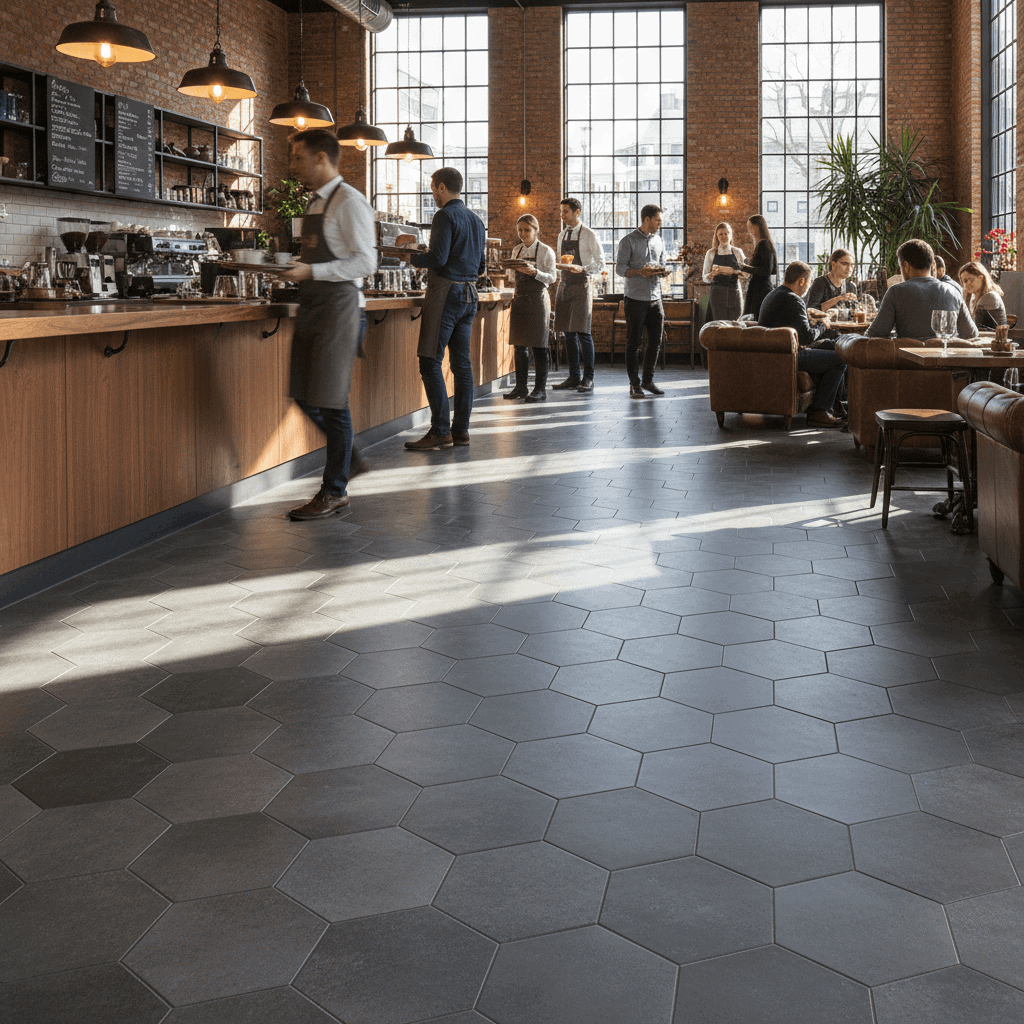
Every cafe owner knows the floor is more than something underfoot. It takes spills, foot traffic, moving chairs, occasional dropped plates, and daily cleaning routines. Choosing durable stylish floors for your bustling cafe is a business choice with design, safety, and maintenance consequences. The right surface can reduce replacement costs and enhance customer comfort while reflecting your brand.
This guide walks through practical materials and real world considerations. You will get clear pros and cons, cleaning and repair tips, cost ranges, and layout ideas to match flooring to zones like the dining area, service counter, and kitchen. Read on for hands on suggestions that save time and money while keeping your room inviting.
Why floor choice matters for busy cafes
Flooring in a popular cafe faces multiple demands at once. It needs to stand up to heavy foot traffic, resist stains from coffee and food, provide a safe surface on wet days, and align with the cafe appearance. Poor choices lead to frequent repairs, traction hazards, or a look that ages quickly.
Consider three practical metrics when evaluating materials. First, durability which covers wear resistance and life span. Second, maintenance which covers how often floors need specialized care and what cleaners are safe. Third, cost which includes initial purchase, installation, and replacement or refinishing over time. Balancing these will help pick a solution that fits your budget and service model.
Hardwood and engineered wood for warmth that holds up
Wood floors create a welcoming atmosphere that pairs well with many cafe themes. Solid hardwood carries a classic look while engineered wood provides greater stability in environments that see humidity changes due to dishwashing or seasonal weather.
Finish and coating choices
Choose a finish designed for high traffic. Factory cured aluminum oxide finishes offer scratch resistance and long life. Oil finishes can be refreshed more easily but may need more frequent maintenance. A thicker finish layer translates to longer time between sandings.
Pros and maintenance tips
- Pros include natural warmth and the ability to sand and refinish surface layers to extend life.
- Tip 1 clean up liquids quickly to prevent staining or warping.
- Tip 2 use mats at entries to reduce grit carried inside.
Hardwood suits dining areas where spills are common but kitchen floors require more water resistant surfaces. Engineered planks with a strong top layer and plywood core can be a smart compromise when you want the wood look with added dimensional stability.
Porcelain and ceramic tile as heavy use workhorses
Tiles are a common choice for cafes that need a surface that will not stain and that resists wear. Porcelain in particular is dense and has low water absorption which makes it suitable for areas near sinks and dishwashers. Tiles come in many looks including wood patterns and large format styles that reduce grout lines.
Grout and slip resistance
Grout is the weakest link if not chosen and treated properly. Use a darker grout color in high use areas to hide discoloration. Apply a penetrating grout sealer to repel liquids. For safety pick tiles with a rated slip resistance appropriate for your local code, especially in wet zones.
Tiles are durable and long lasting. When a tile cracks it can be replaced without disturbing large surrounding areas. Installation labor can be higher than other options, but lifetime performance often justifies the cost in busy locations.
Luxury vinyl plank and tile as durable stylish floors for your bustling cafe
Luxury vinyl offers high resistance to scratches and moisture while delivering a wide palette of looks that mimic real wood, stone, or trend driven patterns. Its cushioning reduces noise and improves comfort for staff on long shifts. The variety of wear layers means you can choose a thicker wear surface for heavy traffic sections.
Installation is flexible. Click systems allow floating floors that can be installed over many existing substrates which reduces downtime. Glue down installation creates a very stable surface, ideal for service counters and espresso machine zones where heavy equipment sits in one place.
- Tip pick a wear layer of 20 mil or more for severe traffic areas.
- Tip use acoustic underlayment if you need to reduce echo and plate clatter.
Polished concrete and resin floors for a minimalist practical look
Polished concrete and resin floors offer nearly limitless color and finish options. They are impermeable when treated correctly which makes them easy to clean and resistant to staining from spills. They also tolerate heavy equipment and constant foot traffic with minimal wear.
Resin coatings can include texture for slip resistance and can be applied with fast cure systems that minimize downtime. Polished concrete can be honed and treated to reach a balance between shine and slip control. These systems perform well in modern, industrial, and Scandinavian style cafes.
Key factors to match flooring to cafe layout and service flow
Think in zones. A typical layout includes entry, dining, counter, and kitchen. Each zone has different priorities. Entry needs slip resistance and a durable entry mat. Dining needs comfort and sound control. The counter zone benefits from a stable surface for heavy machines. The kitchen needs the most water and stain resistance plus a surface that meets local health code.
- Entry zone choose a product that handles grit and water.
- Dining use softer or sound dampening options so conversation stays pleasant.
- Counter use glued down, heavy duty material to avoid movement from equipment weight.
- Kitchen follow code and pick a seamless, water resistant product with good traction.
Also consider maintenance staff routines. If daily deep cleaning is fast and affordable for your operation you can select a look that requires more care. If staff time is limited pick an option that cleans quickly with simple cleaners.
Installation, maintenance, and budget friendly tactics
Plan installation to minimize service interruption. Stagger sections of replacement during slow hours when possible. For new installs schedule work over a closed day or a sequence of overnight shifts when weather and drying times match project needs.
Maintenance schedule suggestions
- Daily quick clean remove loose debris and spot wipe spills immediately.
- Weekly deeper clean mop with manufacturer recommended products and check grout or seams for damage.
- Monthly inspect high wear spots for finish wear or seam lifting to repair before larger damage occurs.
Budget and lifecycle costs
Initial cost can be misleading. Compare lifecycle costs which include cleaning, repair, and replacement frequency. A less expensive product that needs replacement in five years can cost more than a higher priced material that lasts 15 years. Warranties and manufacturer support are worth checking for commercial grade products.
How to research and select the right product for your brand
Bring sample pieces into the actual space to view under cafe lighting and with natural light present. Lay samples on top of existing substrate to see how edges meet and whether transitions are smooth. Test small areas for slip after applying the finish you plan to use.
Ask suppliers for commercial grade specifications and check for third party testing for wear rating, slip resistance, and water absorption. Request references from other cafe operators or local coffee shops to learn about real life performance. For online reading that summarizes many choices and trade offs consult a reliable resource about cafe flooring options.
Final design tips and practical examples
Example one choose large format porcelain tile with warm tones, minimal grout, and a matte finish for a mid size cafe with heavy breakfast traffic. Add entry mats and acoustic panels for noise control. Example two use luxury vinyl planks with a textured wood pattern in a small neighborhood shop. Glue down the counter area and use floating installation in dining to reduce downtime and keep costs in check.
Consider comfort and staff health. Softer surfaces or anti fatigue mats behind service counters reduce fatigue and can improve employee retention. Even high durability floors benefit from targeted mats where staff stand for long periods.
Test cleaning protocols before full adoption. Try your normal cleaning products on sample materials to check for discoloration or finish dulling. Some manufacturers provide trial size cleaners for this purpose.
Conclusion
Choosing durable stylish floors for your bustling cafe is a balance of durability, maintenance, aesthetic, and cost. Think in zones and pick materials that match the specific needs of the entry, dining, counter, and kitchen areas. Hardwood and engineered wood bring warmth that can be refreshed over time. Porcelain and ceramic tile resist stains and offer long life. Luxury vinyl gives water resistance and design flexibility while polished concrete and resin provide seamless durability for modern spaces.
Plan for maintenance with daily and weekly routines and inspect wear points regularly. Bring samples into your space, test cleaning products, and ask suppliers for verified performance data. With careful selection you will reduce future repairs and keep the experience pleasant for customers and staff. If you are ready to move forward make a short list of materials and request samples to see how they look and perform in your cafe. Contact local installers for bids and schedule work during quiet hours to minimize service interruptions. Small planning steps now will pay back through years of reliable service and a great looking space that supports your business goals.