
Role of Sustainable Agriculture
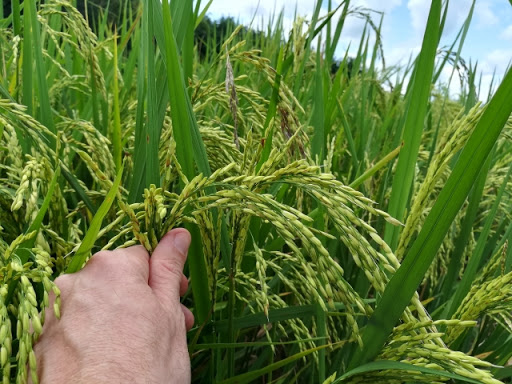
Sustainable farming helps protect the environment by using ways that reduce damage to nature and save valuable resources. When tough environmental problems pop up, understanding how this kind of farming supports a cleaner, greener planet really matters. This dives into how sustainable farming supports nature and explains the actions and ideas that make it a smart and lasting way to grow food. Find out why this method could be the secret to a healthier world and why it matters most for people who care about the planet’s future. Keep reading and get ready to discover something that might change how food grows forever.
Soil Conservation and Health
Sustainable agriculture focuses on preserving soil health and fertility. It promotes practices like crop rotation, cover cropping, and minimal tillage, which help prevent soil erosion, improve water infiltration, and enhance soil structure. By avoiding excessive pesticide and fertilizer use, sustainable farmers protect the soil’s natural ecosystem, promoting beneficial organisms and reducing chemical runoff. Healthy soils contribute to increased crop productivity, carbon sequestration, and enhanced biodiversity, thereby promoting a thriving and balanced environment.
Water Conservation and Management
Sustainable agriculture emphasizes efficient water use and conservation. Farmers employ methods such as drip irrigation, rainwater harvesting, and precision watering techniques to minimize water waste. By managing water resources sustainably, agricultural practices can reduce the strain on water supplies and protect ecosystems dependent on water sources. This approach helps maintain water quality and quantity, supports aquatic habitats, and mitigates the impact of agriculture on water pollution and depletion.

Biodiversity Preservation
Sustainable agriculture recognizes the importance of biodiversity in maintaining ecological balance. It encourages the preservation of natural habitats, including wetlands, forests, and grasslands, which serve as valuable ecosystems. Sustainable farmers incorporate biodiversity-friendly practices, such as creating wildlife corridors, planting hedgerows, and preserving natural vegetation, to provide habitats for beneficial insects, birds, and other wildlife. By promoting biodiversity, sustainable agriculture supports natural pest control, enhances pollination, and contributes to the overall resilience and stability of ecosystems.
Reduced Chemical Inputs
Sustainable agriculture strives to minimize the use of synthetic chemicals such as pesticides, herbicides, and fertilizers. Instead, it focuses on integrated pest management (IPM) techniques, organic farming methods, and natural fertilizers to maintain crop health and fertility. By reducing chemical inputs, sustainable agriculture protects human health, prevents contamination of waterways, and preserves beneficial insects and pollinators. This approach fosters a more sustainable and balanced agricultural system that aligns with nature’s processes.
Climate Change Mitigation
Sustainable agriculture plays a vital role in mitigating climate change. By adopting climate-smart practices, such as agroforestry, conservation tillage, and carbon sequestration methods, farmers can reduce greenhouse gas emissions and enhance carbon storage in soils. Sustainable agriculture also emphasizes the use of renewable energy sources, such as solar power for irrigation or electric machinery, to reduce reliance on fossil fuels. These practices contribute to a lower carbon footprint, promote climate resilience, and help agriculture adapt to changing climatic conditions.
Sustainable agriculture holds the key to promoting environmental health by implementing practices that prioritize soil conservation, water management, biodiversity preservation, reduced chemical inputs, and climate change mitigation. By supporting and embracing sustainable agricultural methods, we can ensure a healthier planet, food security, and a sustainable future for generations to come. Let’s recognize the critical role of sustainable agriculture in promoting environmental well-being and work together to build a more sustainable and resilient agricultural system when you head over to http://ecological-society.org/.