
Choosing Tools That Work For You
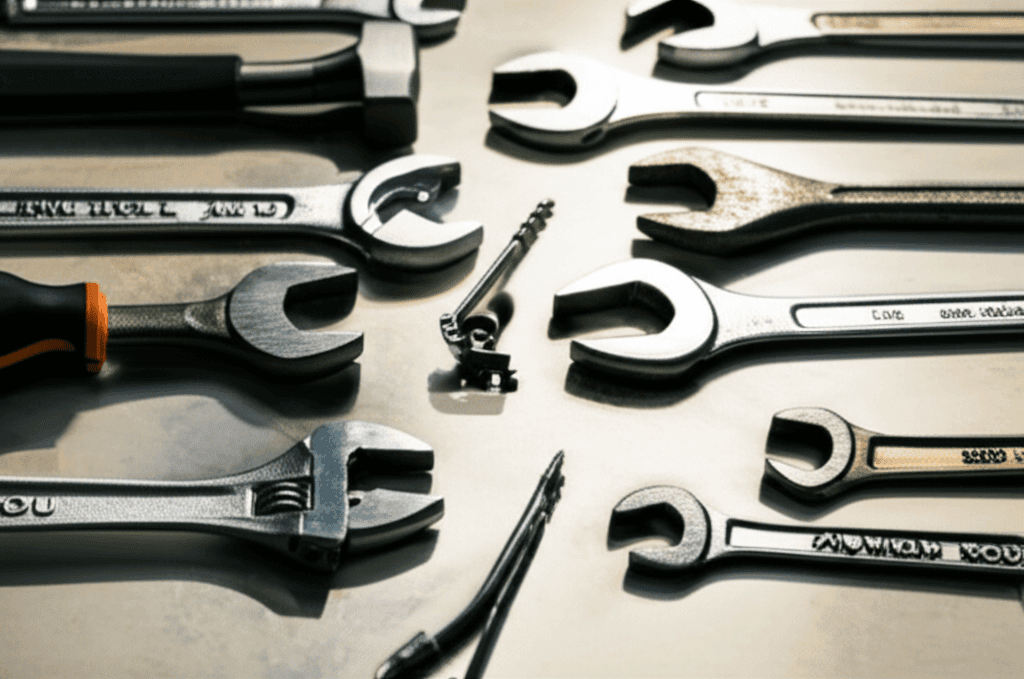
Choosing the right tool changes how quickly a job finishes and how much you enjoy it. Fixing a fence, updating a room, or building furniture from scratch all feel different depending on your tools. Picking gear that fits your needs and feels good in your hands saves money and boosts the quality of your work. Some smart tips can turn tricky jobs into easy, fun projects that make you want to keep going. Find out how the right tools can flip the script on hard work and make you look like a pro.
Many people buy based on brand or price alone and later regret it. A better approach looks at the tasks you will do, how often you will use each tool, and how easy the tool is to maintain. Below are clear steps, examples, and tips to help you match tools to your projects, your budget, and your comfort level.
Understand Your Main Needs Before Choosing Tools That Work For You
Start by listing the projects you plan to tackle over the next year. Are you doing light repairs, regular yard work, or new construction tasks. A short list helps you avoid buying specialty tools that sit unused. For example if you do occasional picture hanging and small repairs, a compact drill and a quality set of screwdrivers may cover most tasks.
Think about frequency and environment. Tools that are used daily should be tougher and easier to service. Tools used once or twice a year can be simpler and lower cost. Also consider where you will work. Outdoor projects may require weather resistant finishes and tools that handle dirt and moisture better.
Match Tool Features to the Work You Plan To Do
Features matter. For power tools check motor power, torque, RPM range, and whether you can change settings for different materials. For hand tools check blade type, steel quality, and joint design. If you cut a lot of lumber choose blades that resist dulling and offer clean cuts.
- Power source selection. Corded tools offer steady power for long jobs while battery tools give mobility and are easier to use in tight spots.
- Size and reach. A compact tool fits small spaces and reduces fatigue in overhead work. A larger tool may be faster for open area tasks.
- Accuracy needed. If your work requires very fine joins pick tools known for repeatable performance and tight tolerances.
- Accessories and attachments. Some tools let you add bases, guides, or jigs that expand their usefulness.
Consider Ergonomics and Comfort for Longer Sessions
Ergonomics affects how long you can work without pain. Weight distribution, handle shape, and vibration levels all matter. Try to hold tools in store to see how they balance. Even small differences affect fatigue during a long project.
Balancing Weight and Control
A heavy tool may reduce vibration and feel more stable while cutting. A lightweight tool may be easier to hold for long periods. Think about the type of motions you will perform and whether you need steadiness or endurance.
Grip and Posture Tips
Look for handles that fit your hand size and provide a secure grip when gloves are on. Check whether switches are reachable without changing your grip. Good posture when using a tool reduces strain and helps you work more accurately.
Evaluate Build Quality and Ongoing Care Needs
Check materials and finish. Steel parts should be treated to resist corrosion and wear. Plastic housings should feel dense rather than fragile. Replaceable components like brushes, belts, or saw blades prolong life and save money over time.
Consider how easy it is to service the tool. Can worn parts be swapped by the user? Are spare parts available at local stores or online. Tools with common parts are easier to keep running. A reliable warranty and local service center are valuable for items you plan to use a lot.
Budgeting and Value Over Time
Price is not the only factor. A lower price may be tempting but can cost more in replacement blades, broken parts, or time spent fixing failures. Consider total ownership cost over several years. Calculate how long you expect the tool to last and include maintenance and consumable costs in your decision.
- Low cost tools are fine for occasional use. Replaceable parts are key so a small investment can keep them usable.
- Mid range tools often hit the best balance between price and durability for most hobbyists.
- Higher price tools are usually built to take heavy daily use and have better support networks.
When budgeting think about buying a versatile tool that covers multiple tasks rather than many single use tools. For example a quality oscillating multi tool can sand, cut, and scrape in tight spaces and may replace several specialized items.
Test Before You Commit and Use Reviews With Care
Testing tools before buying reduces risk. Rent a model for a weekend, borrow from a friend, or try a store demo. When you test pay attention to feel, balance, noise, and how quickly the tool completes the task. Ask yourself if you would be comfortable using it for longer sessions.
Online reviews are useful but read with scrutiny. Look for reviews from users who describe similar projects to yours. A review that focuses on the exact model you want and mentions long term use gives more useful information than a short first impressions post. For hands on reviews and side by side comparisons visit diy-tool-advisor.com where reports cover common projects and list trade offs for each option.
What to Try in Store
Bring a scrap piece of material if allowed and try the tool on a sample. Test cutting, drilling, or sanding. Pay attention to dust control and whether the tool produces a clean result. If the seller allows, hold the tool for several minutes to feel how hand fatigue might build.
Learning Curve and Support
Some tools need setup and patience to get good results. Check for clear manuals, online videos, and a community of users. If you plan to use a tool rarely you want minimal setup. If you plan to learn advanced techniques accept that there will be a learning period and factor that into your timeline.
Storage, Power and Organization For Better Workflow
Where you keep tools affects how often you use them. A neatly organized garage or cabinet makes it easier to find the right tool. Consider modular storage that keeps batteries charged and mounts accessories in one place. Portable cases help when you move between sites.
- Labeling saves time when you need parts fast.
- Rotate batteries so one set is always charged.
- Keep a small kit of common fasteners and replacement bits with your main tools.
Also think about how you will power tools on the job site. Having a mix of corded and battery powered items can cover most situations. Keep spare batteries and a charger that matches your workflow.
Common Mistakes and How to Avoid Them
Many people buy the cheapest or the fanciest item without checking fit. Avoid impulse purchases based on appearance alone. Read the specs and confirm they match your use case. Another mistake is assuming a single brand of batteries or attachments will work across different tool types. Check compatibility before you commit to a battery platform.
Failing to account for consumables is another trap. Blades, sandpaper, and drill bits wear out. Factor their cost into the total price of ownership. Finally, do not ignore safety. A more expensive safety accessory may prevent injury and save time in the long run.
Taking the time to select the right tool pays off in fewer returns, less frustration, and better finished work. Think of each purchase as a small investment in your ability to complete projects with confidence.
Conclusion
Choosing tools that work for you is a practical process that pays dividends in time saved and better results. Start by listing your projects and how often you will use each tool. Match tool features to those tasks and prioritize ergonomics when you expect long sessions. Look beyond sticker price and include parts and service in your budget. Test tools when possible and read reviews that focus on the same kinds of work you do. Organize storage and power so tools are ready when you need them. With this approach you avoid common mistakes and build a set that fits your needs now and into the near term. If you are ready to make smarter purchases pick a small set of high utility items and expand slowly as your projects grow. Take action today and try one careful purchase that aligns with your most frequent tasks. Over time the right choices will save effort and improve results.