
Causes of Slow Household Drains
Slow household drains begin as tiny annoyances but can quickly turn into everyday hassles. A sink that takes ages to drain, a shower that leaves water puddling at your feet, or a washing machine that empties like molasses signals trouble in the pipes. Ignoring these signs lets clogs build up or pipes get damaged, leading to expensive fixes. Learning how to spot and tackle slow drains helps keep water flowing smooth and saves a ton of headaches down the line. Keep reading to discover simple tricks that can stop your drains from turning into a mess.
This article explains the most common causes of slow household drains and offers practical steps you can take at home to diagnose and address each issue. You will also find tips on prevention and guidance on when a job is best handled by a trained technician. The goal is to help you spot the source of the slowdown, apply safe fixes, and avoid repeated clogs.
Hair and soap scum build up in bathroom drains causes slow household drains
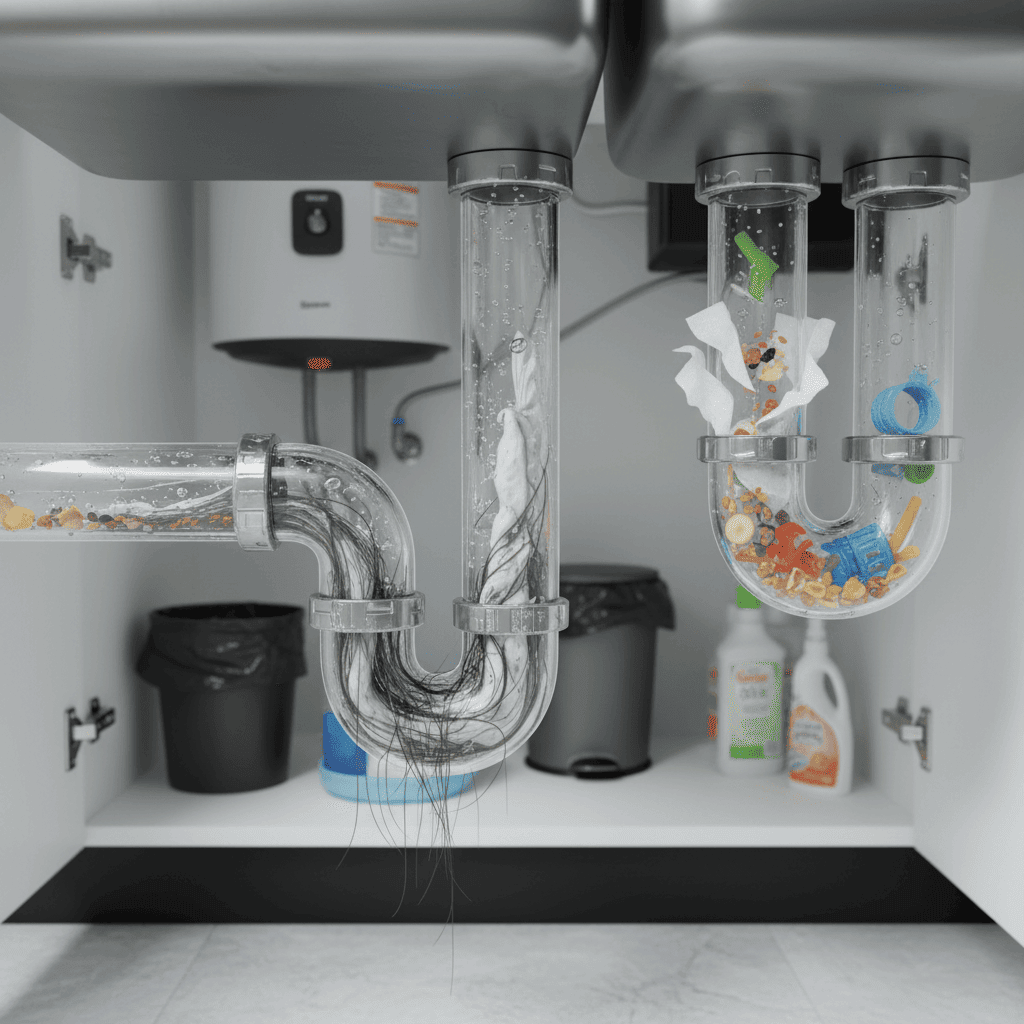
One of the top reasons bathroom drains slow down is the combination of hair and soap residue. Hair strands tangle and cling to the inside of pipes while soap scum acts like an adhesive. Over time these materials form a dense mat that reduces flow and traps additional debris like shampoo flakes and skin cells.
Why hair clogs form
When hair falls in the shower or sink it tends to collect at changes in pipe direction and at the trap that sits below the fixture. Even short hair fragments collect and then act as a net for other particles. A common pattern is slow drainage that worsens after each use.
Easy steps to clear hair and soap scum
- Remove and clean the pop up or grate screen regularly.
- Use a plastic drain snake or a wire hanger shaped into a hook to pull out trapped hair.
- Flush the drain with hot water after cleaning to help carry away remaining residue.
Grease and food scraps create kitchen drain slowdowns causes of slow household drains
The kitchen sink gets a lot of fatty materials. Oils and grease may appear liquid when warm but they cool and solidify along pipe walls. Food scraps that escape a disposal or that are rinsed down the drain can combine with grease to form sticky masses that restrict flow.
Common signs include slow drainage in the sink, bad odors coming from the drain, and gurgling noises when the dishwasher or washing machine empties. Small bits of food combined with greasy film create a thick coating that narrows the pipe diameter over time.
- Never pour concentrated cooking oil or bacon grease down the drain.
- Use drain strainers to catch food particles and clean them after each use.
- For drains that are already slow try a mechanical snake or remove the trap for cleaning before using chemical products.
Mineral deposits and hard water buildup cause slow household drains
In areas with hard water minerals like calcium and magnesium can accumulate inside pipes and fixtures. Over months and years this scale narrows the inside diameter of the pipe and restricts flow. You may notice fixtures that are slower at draining and reduced water pressure at faucets.
Scale forms when hard water evaporates and leaves mineral crystals behind. The buildup is often rough to the touch and can trap other debris like hair and soap, making clogs more likely.
- Vinegar soaks on removable parts such as aerators and showerheads can reduce mineral accumulation.
- Consider installing a water softener if mineral buildup is a recurring problem.
- For interior pipe scale removal a professional cleaning method such as hydro jetting is usually more effective than home remedies.
Tree roots and external damage as causes of slow household drains
When a main sewer line slowly backs up it can affect multiple fixtures at once. One hidden cause of such slowdowns is intrusion from tree roots searching for water. Roots can enter small cracks in clay or older concrete pipes and then expand, creating a physical obstruction.
Other external damages include shifting soil or heavy traffic above the line that leads to crushed or fractured pipes. If multiple drains stall at the same time or if backups occur after heavy rain this points to an issue beyond a simple blocked trap.
- Watch for simultaneous slow drainage in multiple fixtures as a sign of a main line issue.
- Professional inspection with a camera can locate root intrusion and show the extent of damage.
- Repair options range from localized pipe replacement to trenchless techniques depending on the damage.
Vent blockages and slope problems in the drain system cause slow household drains
Plumbing relies on vents that allow sewer gases to escape and maintain neutral pressure. When a vent is blocked by debris or nesting birds the system can struggle to drain quickly because air cannot enter the line freely. Signs include gurgling sounds and slow emptying tied to strong odors.
Similarly improper slope or sagging in horizontal runs of pipe can allow water and solids to settle. Even a small dip called a belly collects waste and diminishes flow. This is more common in older homes or where ground shifting has occurred.
- If you hear gurgles when a toilet flushes or when a sink runs it is worth checking vents and roof openings.
- Correcting slope issues often requires access to the pipe run and possibly excavation or a trenchless repair.
Foreign objects and improper disposal habits cause slow household drains
Toilets and drains are common victims of improper items being flushed or rinsed away. Sanitary products, wipes labeled flushable that do not disintegrate, cotton balls, and paper towels are frequent culprits. Even small toys or jewelry can become lodged and cause slow drainage.
Educating household members about what belongs in the trash versus what belongs in the toilet or disposal is a simple step that prevents many drain problems. Regularly inspect the trap under sinks and the toilet flange area if you suspect a foreign object is causing the issue.
- Keep a small trash bin by each toilet and under kitchen sinks.
- Never flush wipes or similar materials even if the package says they are flushable.
- Use a flashlight to inspect the trap after removing the P trap for stuck items.
Diagnosing slow drains and when to try a DIY fix
Start with the simplest checks and work outward. If only one fixture is slow focus on the trap and the immediate drain line. A plunger can often restore flow for sink and shower clogs. For hair clogs a hand auger or plastic grabber will remove the obstruction in many cases.
For kitchen sink problems remove and clean the trap first then test the flow. If the slowdown persists in multiple fixtures try running water in each fixture to track where the restriction begins. Use hot water to dissolve light grease buildup and flush with plenty of hot water after mechanical removal.
- A plunger is useful for both toilets and sinks when used with a tight seal.
- Hand augers work well for short runs and most small blockages.
- Avoid harsh chemical drain cleaners for recurring issues since they can damage pipes and are dangerous to handle.
Signs you should call a professional and how a pro can help
Some slow drain problems are best handled by a trained plumber. If multiple drains back up at once if you have recurring clogs or if you notice sewage odors these are red flags that a simple DIY fix will not resolve. Professionals bring tools and techniques suited for larger or hidden issues such as camera inspection, root cutting, and high pressure water jetting.
For example a camera inspection will locate the exact position and cause of a blockage. Once identified the technician can recommend targeted repairs. A controlled high pressure jet can clear scale and roots without replacing long sections of pipe. If the problem requires replacement a professional can advise between traditional excavation and trenchless solutions.
When you prefer an expert approach to keep your drains flowing cleanly consider scheduling a service with professional drain cleaning technicians who can evaluate the system and recommend the most effective remedy.
Prevention tips that reduce slow drain occurrences include regular cleaning of strainers, mindful disposal practices, periodic hot water flushes in kitchen drains, and inspecting traps. Address small slowdowns quickly to avoid large backups that disrupt daily life.
Conclusion
Slow household drains have many possible causes ranging from surface clogs of hair and grease to problems deeper in the system such as roots or failing pipe slope. The right approach begins with careful observation. Single fixture issues typically respond to trap cleaning plungers or small augers. Widespread slowdowns unexplained odors and repeated backups point to main line problems that require diagnostic tools and repair work.
Regular maintenance and sensible disposal habits reduce the chance of trouble. Keep strainers in place clean them often avoid putting grease and non dissolvable items down drains and consider professional inspection if you suspect scale or root intrusion. Acting early keeps small annoyances from turning into major repairs.
If you are facing a stubborn clog or you want a thorough check of your drain system reach out for professional evaluation. A trained technician can locate hidden problems clear blockages safely and recommend repairs that protect your plumbing for years ahead. Contact a local service and schedule an inspection to protect your home and restore reliable drainage.