
The Impact of Mass Media
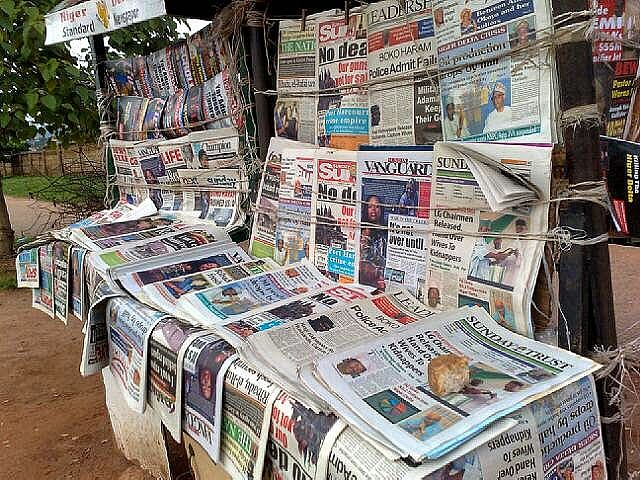
Mass media holds a huge power in today’s fast-paced world that no one can ignore. It shapes minds, pulls communities close, and flips the way the world runs like a storm that hits soft or shakes the earth hard. Anyone curious about how news, TV, and social chatter steer daily life will find eye-opening facts here. This peek into mass media reveals its wide reach and strong pull, showing why tuning in matters now more than ever. Keep reading to discover how this unseen giant shapes the world just beyond sight.
Introduction
Mass media, which encompasses television, radio, newspapers, magazines, the internet, and social media platforms, is a powerful force that has the ability to reach millions, if not billions, of people instantaneously. Its reach and influence extend far beyond merely delivering information; it molds public opinion, shapes cultural norms, and even impacts political decisions.
The Power of Information Dissemination
One of the most obvious impacts of mass media is its role as a primary source of information. Newspapers and news broadcasts provide us with daily updates on local and global events, allowing us to stay informed and engaged with the world around us. This flow of information empowers citizens to make educated decisions, contributing to the democratic process.
Shaping Public Opinion
Mass media also wields significant influence over public opinion. Through the careful selection of stories, framing, and editorial choices, media outlets can sway public sentiment on a wide range of issues. Political campaigns, for instance, often rely on media coverage to build or destroy a candidate’s image.
Cultural Norms and Values
Television, film, and the internet play pivotal roles in shaping cultural norms and values. They introduce us to diverse perspectives and lifestyles, promoting tolerance and acceptance. Simultaneously, they can perpetuate stereotypes and biases if not handled responsibly. The portrayal of women, minorities, and different social groups in the media has a direct impact on society’s perception of these groups.
Consumerism and Advertising
Mass media is a powerful tool for marketers and advertisers. Television commercials, online ads, and celebrity endorsements are all examples of how media channels are used to influence consumer behavior. The constant bombardment of advertisements can lead to conspicuous consumption and a materialistic culture.
Political Influence and Agenda-Setting
Political leaders understand the potency of mass media and often use it to further their agendas. Media outlets can set the political agenda by choosing what issues to cover and how to frame them. This, in turn, influences public discourse and can impact policy decisions.

Social Media and Connectivity
The rise of social media platforms has brought about a new dimension to the impact of mass media. These platforms allow individuals to share their opinions, ideas, and experiences with a global audience. Social media has been a driving force behind social movements, connecting like-minded individuals and raising awareness of important issues.
Challenges and Concerns
While mass media has brought about many positive changes in society, it also faces significant challenges and concerns. The spread of fake news and misinformation on the internet, privacy breaches, and the addictive nature of social media are issues that demand attention and regulation. If you want to learn more about mass media, check out the most recommended reading articles to know more.
Conclusion
In conclusion, the impact of mass media on society is both profound and multifaceted. It serves as a source of information, a shaper of public opinion, a cultural influencer, and a powerful tool for advertisers and politicians. As we navigate the ever-evolving media landscape, it is crucial to be mindful of its potential for both positive and negative consequences.