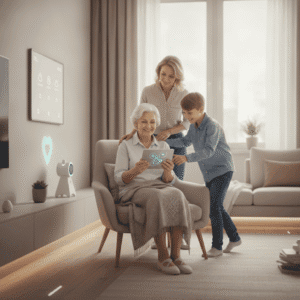
Five Smart Ways to Keep Elderly Loved Ones Healthy
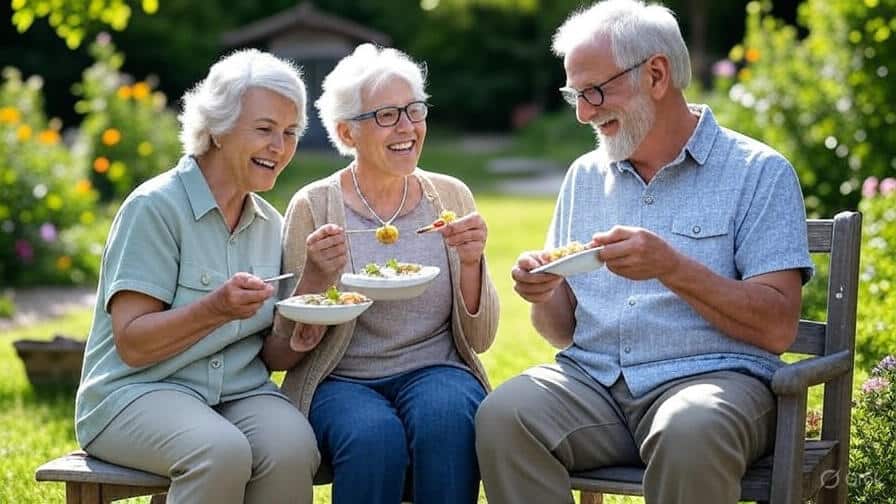
As family members get older, making their health and happiness a top priority becomes key for families and caregivers. Looking after senior relatives means more than just doctor visits; it calls for a full approach that mixes exercise, good food, keeping the mind active, and emotional care. Using smart methods can help elderly loved ones live lively, fulfilling lives even as they age. Discovering these secrets can change how seniors feel every day.
Implementing thoughtful, practical measures can make a significant difference in their quality of life. Whether you’re a family member living nearby or a caregiver providing remote support, understanding the most effective ways to promote health and happiness is essential. Below, we explore five smart ways to keep elderly loved ones healthy, covering essential areas that collectively contribute to their overall well-being.
Encourage Regular Physical Activity for Better Mobility
Physical activity remains one of the most critical components of maintaining health in older adults. Regular movement can improve strength, balance, and flexibility, reducing the risk of falls and injuries. Encouraging your loved ones to engage in suitable exercises can make a noticeable difference.
Practical Tips for Promoting Exercise
- Choose enjoyable activities: Walking, tai chi, or gentle yoga are gentle yet effective options that many seniors find pleasant.
- Incorporate routine: Establish a daily or weekly schedule to foster consistency and habit formation.
- Adapt to their capabilities: Consult with healthcare providers to find appropriate exercises tailored to their mobility level.
- Use community resources: Join local senior centers or community classes designed for older adults to stay motivated and social.
Research indicates that even modest physical activity can boost cardiovascular health, improve sleep, and enhance mood. A simple daily walk in the park can provide fresh air, light exercise, and a change of scenery that benefits both body and mind.
Prioritize a Nutritious Diet for Long-Term Health
What seniors eat greatly influences their overall health, immune function, and energy levels. A balanced diet rich in vitamins, minerals, and fiber can help prevent chronic conditions such as diabetes, hypertension, and osteoporosis.
Building a Healthy Eating Plan
- Focus on whole foods: Fresh vegetables, fruits, lean proteins, whole grains, and healthy fats should form the foundation of their diet.
- Limit processed foods: Reduce intake of salt, sugar, and preservatives that can undermine health over time.
- Ensure hydration: Encourage drinking plenty of water, as dehydration is common among seniors.
- Supplement wisely: Consult healthcare providers about supplements if deficiencies are identified, especially for vitamin D and calcium.
Meal planning can be both practical and enjoyable, involving your loved ones in grocery shopping and simple cooking activities. A well-fed body supports vitality and resilience, helping seniors maintain independence longer.
Foster Mental Stimulation to Support Cognitive Health
Keeping the mind active is just as important as physical health. Mental engagement has been linked to a reduced risk of cognitive decline and dementia. Encouraging your loved ones to engage in mentally stimulating activities can promote clarity and sharpness.
Ideas for Cognitive Engagement
- Read regularly: Books, newspapers, or magazines tailored to their interests keep their minds engaged.
- Puzzles and games: Crosswords, Sudoku, and board games not only challenge the brain but also promote social interaction.
- Learning new skills: Trying a new hobby, such as painting, gardening, or playing an instrument, stimulates neural pathways.
- Social interactions: Regular visits or virtual calls with friends and family help combat loneliness and cognitive decline.
Healthcare professionals emphasize that mental exercises should be enjoyable and stress-free, fostering a sense of achievement and purpose. Staying mentally active can lead to a more fulfilling and independent lifestyle for seniors.
Ensure Emotional Well-Being Through Social Connections
Bordering on a pillar of health, emotional well-being impacts physical health significantly. Isolation and loneliness are common concerns among older adults and can lead to depression, anxiety, and even worsening physical health.
Strategies to Boost Emotional Health
- Encourage regular social activities: Community groups, religious gatherings, or hobby clubs provide meaningful interaction.
- Facilitate family contact: Frequent visits, phone calls, or video chats keep loved ones connected and cared for.
- Promote participation in meaningful activities: Volunteering or pet ownership can foster a sense of purpose.
- Mental health support: Recognize signs of depression or anxiety and seek professional help when needed.
Building a strong social network helps seniors feel valued and loved, contributing positively to their overall health. Simple acts like sending a handwritten note or organizing a small family gathering can brighten their day and reinforce emotional stability.
Implement a Safe and Supportive Living Environment
Creating a secure, comfortable living space is fundamental to maintaining health and independence. An environment that minimizes fall risks and is easy to navigate significantly reduces accidents and hospitalizations.
Safety Enhancements and Home Modifications
- Install grab bars and handrails: Bathrooms and staircases are common fall hazards.
- Improve lighting: Well-lit rooms help prevent trips and falls.
- Organize belongings: Keep frequently-used items within easy reach to avoid unnecessary bending or stretching.
- Use assistive devices: Walkers, canes, or bedside rails support mobility and safety.
Regular home assessments can identify potential hazards. Engaging your loved ones in making adjustments can foster a sense of control and comfort in their environment. Additionally, staying on top of medication management and health monitoring prevents complications.
Plan for Age-Appropriate Healthcare and Preventive Measures
Proactive health management can significantly influence aging trajectories. Regular check-ups, screenings, and vaccinations help detect and address health issues early, saving lives and reducing suffering.
Key Healthcare Practices
- Schedule routine medical appointments: Preventive care is essential to monitor chronic conditions and overall health.
- Stay up-to-date with vaccinations: Flu shots, shingles vaccines, and pneumonia vaccines protect against serious illnesses.
- Manage medications carefully: Use pill organizers and medication reminders to prevent errors.
- Coordinate with healthcare providers: Ensure clear communication about any changes in health or symptoms.
Fostering a proactive approach to health encourages seniors to stay involved and vigilant about their well-being. Moreover, involving healthcare professionals in creating personalized health plans ensures that care aligns with their specific needs and preferences.
Conclusion
Supporting the health of elderly loved ones requires a multifaceted approach that balances physical activity, nutrition, mental stimulation, emotional support, safety, and medical care. These aspects interconnect to form a foundation for long-lasting wellness and happiness. As families and caregivers, you hold the power to create environments and routines that promote vitality and resilience throughout their golden years.
Ensuring their well-being also involves using resources and expert advice to guide your efforts. For instance, exploring more in-depth strategies can be achieved by visiting Lukeosaurus and Me. Implementing these smart tactics today can lead to a more joyful, independent, and healthy life for your loved ones tomorrow. Take the first step now, and work with them to establish routines that prioritize health, happiness, and safety—because they deserve the best care and attention every day.